What is Natural Lime?
Lime is a traditional and highly breathable construction material that has been used for centuries to protect and preserve buildings while allowing them to naturally manage moisture. Unlike modern cement, lime works with a building rather than against it, permitting water vapour to pass through walls and reducing the risk of trapped moisture, cracking and decay. Lime is available in several forms, each suited to different applications: quicklime is the raw, highly reactive form created by firing limestone; when combined with water it produces hot lime, a traditional material valued for its strong bond and flexibility. Slaking quicklime with excess water creates lime putty, a smooth, workable material ideal for fine plastering and pointing. Non-hydraulic lime sets slowly by absorbing carbon dioxide from the air, making it especially suitable for historic and solid-wall buildings. Hydrated lime is a dry, powdered form of non-hydraulic lime, offering convenience while retaining breathability. Natural Hydraulic Lime (NHL) contains natural clays that allow it to set with water, providing greater strength and durability for exposed or external applications. Premixed limes combine lime with carefully graded aggregates for consistency and ease of use on site. Widely used in conservation, restoration and sustainable construction, lime-based materials help regulate humidity, prevent mould growth, and extend the life of buildings while maintaining their character and structural integrity.

Scud / Prepping Coat

Pointing / Jointing

Scratch / Render Coat

Skim / Finish Coat

Stand the Test of Time with Lime!
There’s a reason it has been used for centuries and why those buildings still stand today.
01
Scud / Prepping Coat
The scud or prepping coat is the first preparatory layer applied to masonry or solid walls to stabilise the surface and improve adhesion for subsequent coats. It helps bind loose material, evens out suction, and prepares the background to receive lime-based mortars or renders. This stage is essential for ensuring long-term performance, particularly on older or irregular substrates.
02
Pointing / Jointing
Pointing or jointing involves filling and finishing the joints between masonry units using a compatible lime mortar. This process protects the structure from water ingress while maintaining breathability, allowing moisture to escape naturally through the joints rather than the masonry. Proper lime pointing also accommodates natural movement, reducing cracking and preserving the integrity of historic and solid-wall buildings.
03
Scratch / Render Coat
The scratch or render coat forms the main body of a lime render system, providing strength, durability, and a breathable protective layer to the wall. Applied thicker than the finish coat, it is keyed or “scratched” to create a strong mechanical bond for subsequent layers. This coat helps regulate moisture, protect against weathering, and create a stable base for the final finish.
04
Skim / Finish Coat
The skim or finish coat is the final decorative layer, delivering a smooth or textured appearance while retaining full breathability. It enhances the aesthetic of the surface while allowing vapour to pass through, preventing trapped moisture and surface defects. Lime finish coats are particularly suited to heritage and sustainable construction, combining visual appeal with long-term performance.
What types of Lime are there?
Warmth. Comfort. Control.
Breathable insulation systems are versatile and can be used in a wide range of applications, from interior and exterior insulation to sustainable construction, restoration projects, and energy-efficient retrofits. Their moisture-regulating properties, thermal performance, and eco-friendly formulations make them ideal for creating healthy, comfortable, and durable living environments across both residential and commercial settings.

Quicklime
Quicklime is produced by firing limestone at high temperatures, driving off carbon dioxide and leaving calcium oxide. It is highly reactive and generates significant heat when water is added, making it a powerful but specialist material that requires careful handling and experience.

Hot Lime
Hot lime is made by mixing quicklime directly with aggregates while it is slaking. This traditional method creates a highly workable, breathable mortar with excellent bond strength, often used in historic masonry where compatibility and performance are critical.

Lime Putty
Lime putty is produced by slaking quicklime with excess water and allowing it to mature over time. It is highly breathable, flexible, and slow-setting, making it ideal for fine plastering, pointing, and conservation work on historic buildings.

Hydrated Lime
Hydrated lime (Non Hydrualic Lime) is a dry, powdered form of lime that has already been slaked under controlled conditions. It is easier to transport and store than lime putty and is commonly used for general mortars, plasters, and lime-based finishes.
Non-hydraulic lime sets by reacting with carbon dioxide in the air rather than with water. This slow carbonation process produces a soft, flexible, and highly breathable material, well suited to traditional solid masonry and heritage structures.

Natural Hydrualic Lime
Natural hydraulic lime contains natural clay impurities that allow it to set through a chemical reaction with water. Available in different strengths (NHL 2, 3.5, and 5), it offers faster setting times and higher strength while remaining breathable.

Premixed Lime
Premixed lime products combine lime, aggregates, and sometimes additives in factory-controlled conditions. They offer consistency, reduced site mixing, and predictable performance, making them a practical option for both conservation and modern construction.

Coloured Lime Finish
No paint needed with the Intonachino Arenino MGN. It is a naturally coloured, breathable lime finishing plaster, suitable for both interior and exterior applications. The colouring is stable in time and weatherproof as it is made with the exclusive use of natural coloured earths and marble powder, therefore it is not subject to the classic phenomenon of discolouration or fading.

Insualted Lime Render
Insulated lime render incorporates lightweight or insulating aggregates such as cork or perlite. It improves thermal performance while maintaining vapour permeability, making it suitable for solid wall buildings where breathability is essential.

Limecrete Flooring
Limecrete flooring is a breathable alternative to conventional concrete floors, designed especially for historic and solid-wall buildings. Instead of cement, it uses lime-based binders combined with lightweight insulating aggregates such as foamed glass or LECA to create a floor that allows moisture to move naturally through the structure. This helps prevent trapped damp, protects surrounding masonry, and supports the natural moisture balance of traditional buildings. Limecrete floors are typically finished with lime screeds or natural floor finishes, creating a durable, thermally efficient and vapour-permeable floor system well suited to conservation and sustainable construction.

Underfloor Heating
Foamglass aggregates provide a highly effective insulating and lightweight structural layer for floors and foundations. Products such as Foamglass 10, Foamglass 40 and Foamglass 65 are manufactured from 100% recycled glass and expanded into a cellular, lightweight aggregate that combines thermal insulation with load-bearing stability. Installed as a compacted layer beneath floor slabs or limecrete floors, these aggregates create an insulating sub-base that reduces heat loss while also providing excellent drainage and frost resistance

Future of Lime Render
Aerogel-based insulation plasters such as TermoRasante AeroGel and Termointonaco offer exceptional thermal performance in minimal thicknesses. TermoRasante AeroGel, incorporating advanced silica aerogel technology, achieves an impressive λ_eq ≈ 0.010 W/m·K, significantly outperforming conventional insulating materials.
With just 5–10 mm of application, it can raise internal wall surface temperatures by 3–5 °C, effectively reducing condensation and mould risk. Termointonaco provides similar benefits with excellent breathability (λ ≈ 0.043 W/m·K), making both ideal for heritage or space-limited projects.
Products
See the full range of products


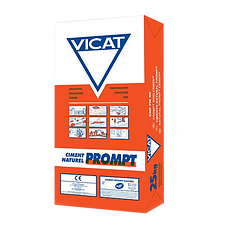
Premixed Roman Cement
Betoncino Consolidante MGN
[Intonaco Strutturale] It is a premixed Roman Cement for structural crack repair, wall stitching, structural reinforcement renders, certified structural consolidation systems (with structural fibreglass mesh), below-ground pointing and bedding, construction or repair of submersible/tidal masonry, and earthquake-resistant construction.


Insulation Render
Termointonaco
TERMOINTONACO is a nanotechnological thermo-insulating plaster based on a natural air-lime binder and lightened amorphous micro silica with high thermo-insulating and reflectance characteristics (the ability to reflect the heat back into the living area instead of letting it escape), with excellent thermal mass, acoustic soundproofing and fire resistance.
Super Insulation Render
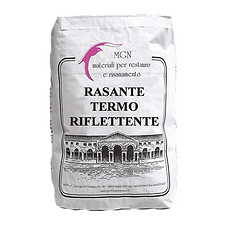
TermoRasante AeroGel
The TermoRasante Aerogel is a super-insulating thermal plaster, a thermal bridging regulator, anti-condensation, anti-mould, highly breathable lime-aerogel thermal plaster. Due to its high aerogel content offers great insulation performance in a thin form factor, saving valuable space.

Super Insulation Render
RasoThermo Aerogel
The RasoThermo Aerogel is a super-insulating, high performance lime-based thermal plaster, made from lime, aerogel and natural volcanic pozzolans, with a total of 14 carefully chosen ingredients. It provides exceptional thermal insulation in a thin, breathable layer due to its combination of premium insulating materials.