


What is rising damp?
Waterproofing | Damp Proofing | Injection Systems | Rising Damp Prevention
Rising damp occurs when moisture from the ground travels upward through the walls of a building via capillary action, much like water soaking up through a sponge. It primarily affects older properties that lack a functional modern damp-proof course (DPC). As groundwater rises, it brings dissolved salts into the masonry, which deposit on the wall surface as the water evaporates, leaving behind blistering plaster, peeling wallpaper, and a distinct musty smell.
To prevent this structural deterioration, builders implement preventative measures that manage ground moisture, such as installing French drains to redirect water away from foundations, or using breathable limecrete flooring to allow moisture to evaporate naturally rather than forcing it up into adjacent walls.
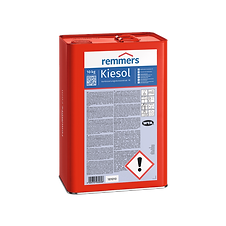
For properties already suffering from the condition, several remedial solutions can effectively halt and manage the moisture, including electronic or electro-osmotic systems like IPE and IPG, targeted chemical barrier injections using Remmers Kiesol C+, or applying a robust tanking system to physically barrier the internal walls against water ingress.

Waterproofing / DPC

Chemical Injection

Ground Works & Ventilation

Non-Invasive

Eliminate Rising Damp!
To protect and maintain your property
01
Waterproofing (DPC)
Waterproofing and subsequent Damp-Proof Course (DPC) systems act as robust barrier solutions designed to isolate internal living spaces from groundwater pressure and capillary rising damp. Modern interventions frequently utilize dual-action products like Remmers WP Sulfatex, a rigid, highly sulfate-resistant mineral slurry that anchors deeply into salt-loaded masonry to withstand aggressive water ingress from the interior or exterior. For buildings prone to micro-movements, this is often paired or coated with Remmers MB 2K, a highly flexible, two-component polymer-modified coating that bridges structural cracks up to 3mm wide while completely sealing the surface. Conversely, when dealing with historic or listed buildings where modern synthetic coatings are restricted, specialists turn to heritage-friendly options like Rinzaffo MGN. This pozzolanic, Roman volcanic lime-based plaster extensively proven in the highly corrosive, moisture-saturated marine environments of Venice recreates ancient water-lime technology. It provides a naturally breathable, salt-resistant barrier that allows water vapor to escape cleanly while physically preventing liquid water and crystallization from blowing out the internal plaster finishes.
02
Chemical Injection
Chemical injection is a targeted remedial treatment used to establish a new, horizontal damp-proof course (DPC) directly within an existing masonry wall. This method involves drilling a sequence of small holes along the mortar course at the base of the wall and injecting a specialized, high-strength silane cream such as Remmers Kiesol C+. Once introduced, the formula spreads rapidly throughout the porous brickwork and mortar, curing into a continuous, water-repellent barrier that permanently halts the upward capillary movement of groundwater. While it requires the removal of salt-contaminated plaster to dry out effectively, it remains one of the most reliable and widely utilized physical intervention methods for structural damp rehabilitation.
03
Ground Works & Ventilation
Ground works and ventilation represent critical preventative and systemic approaches focused on eliminating moisture at the external source rather than managing it internally. This process typically involves physical structural interventions like digging external French drains to redirect groundwater away from foundations where cellular foam glass gravel can be used as a lightweight, insulating, and highly porous replacement for traditional stone aggregate to improve both drainage and thermal performance. Additionally, reducing exterior ground levels ensures they sit at least 150mm below internal floors, while installing breathable limecrete flooring allows sub-floor moisture to evaporate naturally. By pairing these ground corrections with enhanced airflow strategies, such as clearing blocked air vents or adding mechanical ventilation systems, you dramatically decrease the relative humidity around the property's envelope, mitigating the damp pressure applied to porous brickwork.
04
Non-Invasive
Non-invasive solutions manage rising damp through advanced electronic and geomagnetic technologies that eliminate the need for heavy demolition, drilling, or chemical applications. Cutting-edge systems like the IPE (Electromagnetic Polarity Reverser) and IPG (Geomagnetic Polarity Inverter) work by generating subtle low-frequency signals or leveraging natural geomagnetic fields to reverse the electrical polarity of water molecules trapped within the masonry. Because water naturally migrates toward a negative charge, this polarity shift destabilizes the capillary pull, causing the moisture to flow downward away from the living spaces and back into the earth. This method is exceptionally clean, completely quiet, and highly favored for fragile, protected heritage properties where preserving the original structural fabric is paramount.
How to prevent damp?
Waterproof, damp-proof and Reverse
Our rising damp prevention and remedial systems deliver innovative, versatile, and highly effective protection against capillary moisture and groundwater ingress. Designed to safeguard structures while halting damp migration, these specialized systems are suitable for both modern construction and sensitive historic buildings, ensuring long-lasting masonry durability and salt control without compromising structural aesthetics.

Traditional Waterproofing
Traditional waterproofing relies on rigid grouts and coatings to create a strong, impermeable barrier against water ingress. Products like Remmers WP Sulfatex and WP DS Levell provide durable, mineral-based protection that is ideal for foundations, basements, and masonry where a hard, long-lasting layer is required. These systems are trusted for their structural integrity and proven performance in a wide range of applications.

Modern Waterproofing
Modern waterproofing systems focus on flexibility, adhesion, and ease of application to protect structures against moisture and environmental stresses. Remmers MB 2K, a two-component, flexible mineral-based waterproofing solution, forms a seamless, crack-bridging barrier, making it ideal for both new builds and refurbishment projects. These systems adapt to the substrate while maintaining long-term durability.

Heritage Waterproofing
Heritage waterproofing requires solutions that protect against moisture while respecting historic fabric. Rinzaffo Controspinta MGN is a breathable, salt-resistant renovation roman lime plaster that manages moisture under pressure, allowing trapped water to escape while preventing further ingress. It provides reliable protection for historic masonry without compromising character or integrity.

Injection Waterproofing
Injection systems are designed to treat rising damp and prevent water ingress by creating chemical barriers within masonry. Kiesol C and Injection Cream 80 are highly effective options, forming horizontal moisture-resistant layers that block capillary action while preserving wall breathability. These systems provide a reliable solution for damp control in both modern and historic buildings.

Electro-Osmosis
Electro-osmosis uses a low-voltage electrical current to reverse the natural capillary action that pulls groundwater upward into a building's masonry. By installing titanium anodes into the mortar joints and connecting them to an earth cathode rod, the system creates a mild electric field that drives polar water molecules safely back down into the ground. Operating continuously on minimal power, this chemical-free and virtually non-destructive method is ideal for historic brickwork, heritage structures, and properties where invasive drilling is heavily restricted.

Non Invasive & Sensitive Damp Proofing
Non-invasive damp proofing uses advanced electromagnetic and geomagnetic technologies to reduce rising damp without drilling or chemical injection. Systems like IPE and IPG polarity inverters modify the natural forces driving moisture, offering a sensitive solution that preserves building fabric while effectively controlling damp in both modern and historic structures.

Lowering Ground Levels
Digging out the earth, as shown in the picture, physically separates wet subterranean soil from the property's brickwork or stone foundations, instantly reducing the damp pressure against the masonry. This excavation allows the lower walls to dry out naturally, exposes hidden or compromised structural fabric for inspection, and ensures that the finished external ground line sits a safe distance below internal floors. It is an ideal structural correction to execute right before installing a French drain, applying a vertical waterproofing barrier, or unblocking sub-floor air vents to restore healthy perimeter ventilation.

French Drain
French drains with cellular foam glass gravel represent a highly efficient, sustainable approach to perimeter water management. This system involves excavating a trench alongside a building's foundations and backfilling it with cellular foamglass gravel as a lightweight, highly porous replacement for traditional stone aggregate. Because foam glass gravel is entirely non-capillary and provides exceptional drainage channels, it rapidly redirects subterranean groundwater away from the masonry envelope while simultaneously offering structural insulation to the base of the wall.

Sub-Floor Ventilation
Sub-floor and perimeter ventilation actively lowers relative humidity by maintaining a continuous, cross-flowing stream of fresh air beneath and around a building's structure. By clearing blocked airbricks, installing mechanical extraction units, or introducing dedicated air vents, trapped ground moisture is swept away before it can absorb into porous brickwork. Ensuring healthy, unobstructed airflow prevents the stagnant, damp environments that cause dry rot, timber decay, and internal condensation, making it a critical, non-invasive defense system for both modern and historic buildings.

Electro Magnetic
The Electromagnetic Polarity Inverter (IPE) is an active, low-energy plug-in device that counteracts capillary rising damp across a property. It emits pulsating, low-frequency electromagnetic signals that invert the electrical charge of water molecules trapped within the masonry. By shifting their negative poles downward, it breaks the capillary pull and allows gravity to naturally draw moisture back into the earth, drying out walls within 6 to 12 months without drilling or chemicals.

GeoMagnetic
The Geomagnetic Polarity Inverter (IPG) is a passive, cordless system that utilizes the Earth's natural geomagnetic fields to halt rising damp. Installed without batteries or mains power, its internal circuitry creates a localized magnetic counter-field beneath the building's footprint. This field destabilizes the capillary action of groundwater, blocking it from rising into foundations and gradually drying out historic brickwork or stone masonry over 18 to 36 months.

Limescale Removal
The CALC'R system is a non-invasive electronic device designed to prevent and eliminate limescale buildup inside plumbing networks. Strapped externally onto the main incoming cold water supply pipe, it uses controlled, low-frequency electrical signals to alter the crystallization process of hard minerals. This transforms stubborn calcite into fine, non-adherent aragonite structures that flow harmlessly through the system rather than encrusting appliances or pipework. Running on a negligible 5-watt current, it continuously protects a property's water network cleanly, without requiring chemical additives or modifying water chemistry

Rising Damp Reverser
Products
See the full range of products




Waterproofing with High Salt Resistance
Rinzaffo MGN
[Rinzaffo Controspinta MGN] Roman Salt-Resistant Waterproof Lime Plaster. RINZAFFO MGN is a Roman volcanic (pozzolanic) lime plaster created to solve persistent dampness problems in old buildings — rising damp, salt contamination, wind-driven rain and prolonged saturation. Its composition follows the principles of ancient Roman water limes, mortars that could harden even in the presence of moisture and withstand marine conditions.


Electromagnetic Rising Damp Reverser
IPE
IPE is a non-invasive rising damp elimination system that uses low-energy electromagnetic signals to counteract capillary moisture movement in walls. By reversing the moisture polarity, it encourages damp to migrate downward, helping walls dry naturally over time.


Electromagnetic Limescale Remover
CALC’R Water Descaler
The CALC’R Water Descaler is an electromagnetic anti-scale system for indoor installation, designed to reduce calcite deposits in pipes and equipment. Its goal is to protect hydraulic and thermal performance by minimizing blockages and efficiency losses associated with limescale.

Waterproof Injection Resin
Stopaq
Non-hardening, swellable sealant. Stopaq is a corrosion prevention and sealing system specifically developed to protect metal surfaces against moisture, oxygen, and aggressive environmental conditions. Using a unique visco-elastic compound, Stopaq forms a self-healing, non-hardening barrier that adapts to surface irregularities and maintains a continuous seal over time. It is particularly effective for pipelines, flanges, valves, and complex geometries where traditional coatings may fail. Stopaq provides long-term corrosion protection with minimal surface preparation, making it a trusted solution for infrastructure, industrial, and energy applications.

Waterproof Injection Resin
MS 150
Elastic sealant based on MS hybrid polymers. Based on advanced MS polymer technology, it offers excellent adhesion to a wide range of substrates without the need for a primer. MS 150 remains permanently flexible, is resistant to weathering, UV exposure, and aging, and can be applied both indoors and outdoors. Its durability and versatility make it ideal for sealing joints, cracks, and connections where movement, reliability, and a clean finish are essential.

Waterproof Injection Resin
IR Epoxy 360
IR Epoxy 360 is a high-strength, two-part epoxy resin designed to deeply penetrate, seal, and reinforce porous or damaged surfaces. It provides long-lasting structural bonding and moisture resistance, making it ideal for repairs, stabilisation, and protective sealing.

Waterproof Injection Resin
IR PUR 2K 150
IR PUR 2K 150 is a two-component polyurethane resin designed for flexible sealing and stabilisation of building materials. It provides strong adhesion and moisture resistance, making it ideal for filling cracks, joints, and areas requiring elastic waterproofing.


